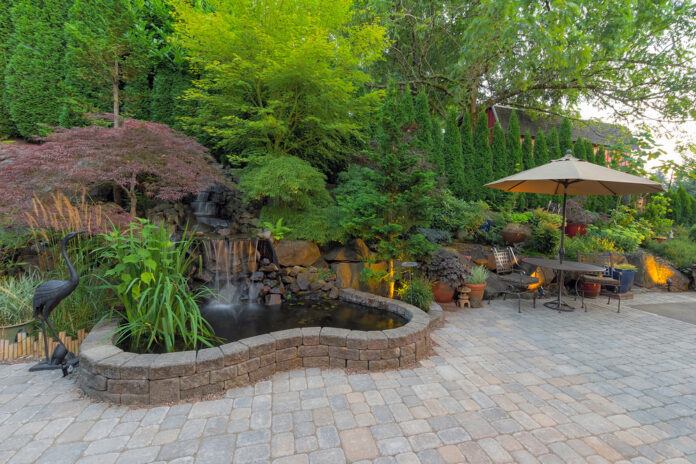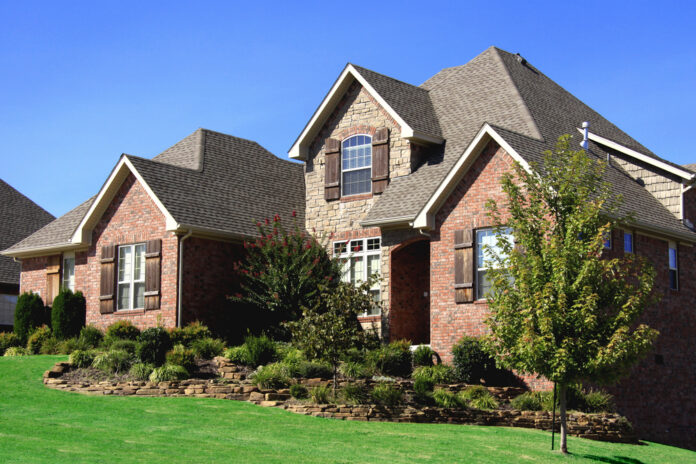

A well-designed walkway does more than guide visitors from one point to another—it enhances curb appeal, increases property value, and improves safety around your home. The materials you choose play a major role in determining how long your walkway will last and how it complements your outdoor space. From classic brick to natural stone and modern concrete pavers, there are many durable and visually appealing options available. Understanding the strengths and aesthetic qualities of each material will help you create a walkway that stands the test of time while elevating your landscape design.
Concrete Pavers
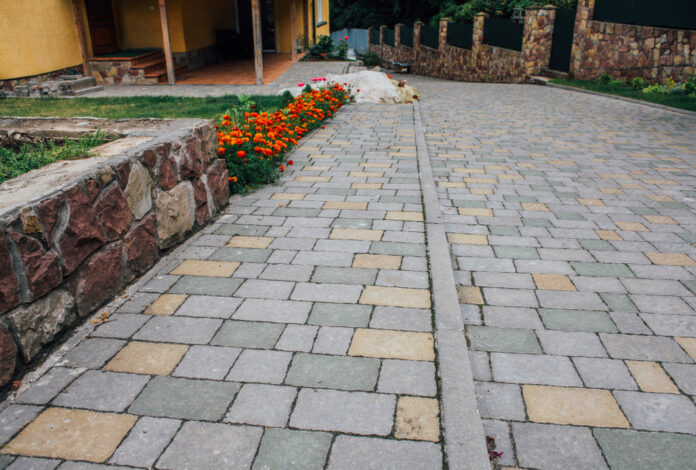
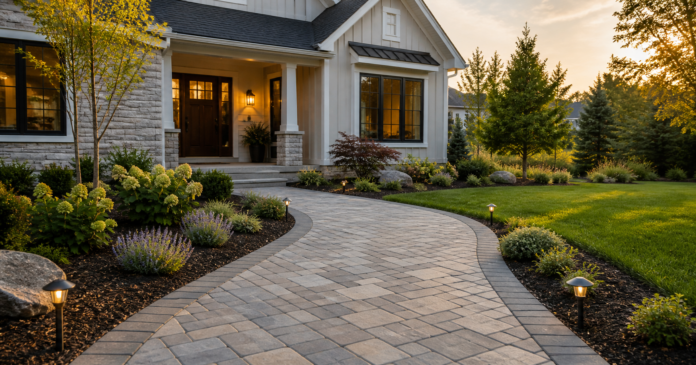
Concrete pavers are one of the most popular choices for walkways due to their versatility and durability. Available in a wide range of shapes, colors, and textures, pavers can be customized to match both traditional and contemporary home styles. They are manufactured to withstand heavy foot traffic and varying weather conditions without cracking easily. If one paver becomes damaged, it can be replaced individually, making maintenance simple and cost-effective. With proper installation and a solid base, concrete pavers can provide decades of reliable performance while maintaining their attractive appearance.
Brick
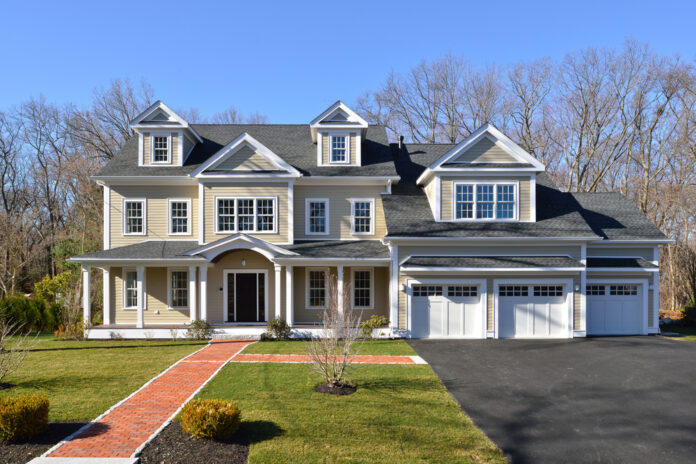
Brick offers timeless charm and classic appeal that works beautifully in many architectural settings. Its warm, earthy tones create a welcoming atmosphere and blend seamlessly with both historic and modern homes. Brick is known for its strength and durability, especially when installed correctly over a stable base. Over time, brick develops a natural patina that adds character without compromising structural integrity. While it may require occasional maintenance to prevent shifting or moss growth, brick remains a dependable and visually pleasing walkway material.
Natural Stone
Natural stone delivers unmatched elegance and organic beauty. Options such as flagstone, slate, limestone, and bluestone each offer unique colors, textures, and patterns formed by nature. Because no two stones are exactly alike, a natural stone walkway has a distinctive, high-end appearance. Stone is incredibly durable and can withstand harsh weather conditions when properly installed. Although it often comes at a higher price point, many homeowners find the long-lasting performance and luxurious aesthetic well worth the investment.
Gravel
Gravel is a budget-friendly and versatile option that works particularly well for informal garden paths or rustic landscapes. It provides excellent drainage, reducing the risk of standing water and erosion. Gravel is easy to install and can be replenished as needed, making it a flexible choice for homeowners who enjoy do-it-yourself projects. While it may shift under heavy use and require occasional raking to maintain an even surface, gravel offers a charming, natural look that complements cottage-style and country-inspired designs.
Stamped Concrete
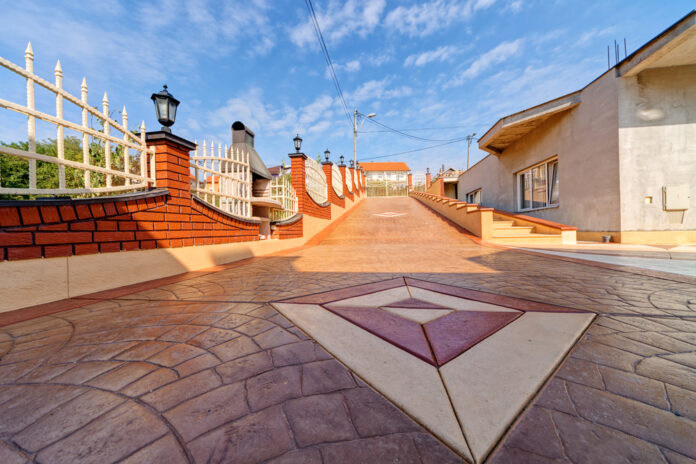
Stamped concrete combines durability with decorative appeal. This material is poured like traditional concrete but is textured and colored to mimic the appearance of brick, stone, or tile. It offers the benefit of a continuous surface, reducing the likelihood of weeds growing between joints. Stamped concrete is highly durable and capable of handling heavy traffic, making it suitable for both walkways and patios. With proper sealing and maintenance, it can maintain its vibrant color and intricate patterns for many years.
Cobblestone
Cobblestone brings old-world character and exceptional durability to walkways. Traditionally made from natural stone, cobblestones are known for their strength and ability to withstand heavy use. Their slightly uneven surface adds texture and visual interest, creating a pathway full of personality. Cobblestone is particularly well-suited for historic homes or landscapes that aim to capture a European-inspired aesthetic. While installation can be labor-intensive, the long-lasting results make cobblestone a worthwhile choice for homeowners seeking charm and resilience.
Decomposed Granite
Decomposed granite is a natural material made from weathered granite rock that has broken down into small particles. It provides a smooth, compact surface that is easy to walk on and blends beautifully with drought-tolerant landscaping. This material offers excellent drainage and is often used in environmentally conscious designs. Stabilized versions of decomposed granite include binding agents that reduce dust and shifting, making the surface more durable and low-maintenance. Its earthy tones and subtle texture make it an attractive option for contemporary and rustic landscapes alike.
Porcelain Pavers
Porcelain pavers are a modern innovation that combines strength with sleek design. These pavers are manufactured at high temperatures, resulting in a dense, non-porous surface resistant to moisture, stains, and fading. Porcelain is ideal for climates with extreme temperature fluctuations because it resists cracking and frost damage. Available in a variety of finishes that mimic stone or wood, porcelain pavers offer design flexibility with minimal upkeep. Their clean lines and refined appearance make them a popular choice for contemporary outdoor spaces.
Factors to Consider When Choosing Materials
Selecting the best material for your walkway involves more than aesthetics. Consider your local climate, soil conditions, budget, and the amount of foot traffic the walkway will receive. Proper installation, including a well-compacted base and adequate drainage, is crucial regardless of the material chosen. Maintenance requirements should also factor into your decision, as some materials need sealing or occasional repairs to maintain their appearance. By evaluating these elements carefully, you can choose a material that balances beauty, durability, and practicality.
Creating a Walkway That Lasts
The right walkway material can transform your outdoor space into a welcoming and functional environment. Whether you prefer the classic appeal of brick, the elegance of natural stone, or the modern convenience of porcelain pavers, each option offers unique advantages. Investing in high-quality materials and professional installation ensures your walkway will remain safe, attractive, and durable for years to come. With thoughtful planning and attention to detail, you can build a pathway that enhances your home’s exterior and leaves a lasting impression.