Creating a beautiful walkway is one of the most impactful ways to elevate your home’s exterior. A thoughtfully designed path not only improves curb appeal but also enhances functionality, guiding guests safely and stylishly to your front door, garden, or backyard retreat. By using pavers and natural stone, homeowners can craft walkways that are durable, visually appealing, and tailored to their unique landscape. With careful planning and the right materials, you can transform an ordinary path into a striking design feature.
Understanding Your Space and Purpose
Before choosing materials or patterns, it’s essential to evaluate the space where your walkway will be installed. Consider the walkway’s primary purpose—whether it’s a direct path to the front entrance, a winding garden trail, or a connection between outdoor living areas. Take note of the terrain, drainage patterns, and existing landscaping features. A well-planned walkway should complement the home’s architecture while blending naturally with its surroundings. Mapping out the path in advance ensures both practical function and aesthetic harmony.
Choosing Between Pavers and Natural Stone
Pavers and natural stone each offer unique advantages. Concrete or brick pavers are available in a wide variety of shapes, colors, and finishes, making them versatile for both modern and traditional designs. They are uniform in size and typically easier to install, which can reduce labor time. Natural stone, on the other hand, offers organic beauty and unique textures that cannot be replicated. Materials like flagstone, bluestone, or slate create a timeless, high-end appearance. The choice often depends on your budget, style preference, and the overall look you want to achieve.
Selecting the Right Color and Texture
The color and texture of your walkway materials can dramatically influence the overall appearance of your landscape. Neutral tones such as gray, beige, and tan blend seamlessly with most home exteriors and natural settings. For a bold statement, deeper hues like charcoal or reddish brick tones can add contrast and depth. Texture is equally important—smooth surfaces offer a sleek look, while tumbled or textured finishes create a rustic feel. Choosing colors and textures that coordinate with your home’s façade and surrounding elements will create a cohesive design.
Designing Patterns and Layouts
The pattern you choose for your walkway can elevate it from simple to stunning. Pavers can be arranged in classic layouts such as herringbone, basket weave, or running bond for visual interest and added stability. Natural stone paths often feature irregular shapes fitted together like a puzzle, creating an organic, flowing appearance. Curved walkways can soften a landscape and add charm, while straight paths provide a clean, formal look. Thoughtful pattern selection adds character and enhances the visual flow of your outdoor space.
Preparing a Strong Foundation
A durable walkway starts with proper preparation. Excavating the area to the correct depth and installing a compacted base of crushed stone ensures stability and longevity. Without a solid foundation, pavers and stones can shift, sink, or become uneven over time. Adding a layer of sand for leveling and ensuring proper edging will help keep materials securely in place. Investing time in building a strong base reduces maintenance issues and ensures your walkway remains beautiful for years to come.
Incorporating Edging and Borders
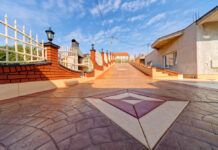
Edging and borders provide both structural support and visual definition. Brick, metal, or stone edging helps prevent shifting and keeps the walkway’s lines crisp and clean. Borders can also introduce contrasting colors or textures to frame the main pathway. For example, a lighter stone border around darker pavers creates a striking outline. Incorporating thoughtful edging details enhances the overall design and gives the walkway a polished, finished appearance.
Enhancing with Lighting and Landscaping
To make your walkway truly stand out, consider adding landscape lighting and complementary plantings. Low-voltage lights placed along the edges improve safety and highlight the path’s design at night. Solar lights offer an energy-efficient alternative for subtle illumination. Surrounding the walkway with flowers, shrubs, or decorative grasses softens hard edges and integrates the path into the landscape. These finishing touches create a welcoming ambiance and ensure the walkway remains attractive both day and night.
Ensuring Proper Drainage
Proper drainage is critical to preserving the integrity of your walkway. Water should flow away from the path and your home’s foundation to prevent pooling and erosion. Slight grading and permeable pavers can help manage runoff effectively. Installing a proper base and ensuring joints are filled correctly also minimizes shifting caused by moisture. Addressing drainage during the planning phase protects your investment and reduces the risk of long-term damage.
Maintaining Your Walkway
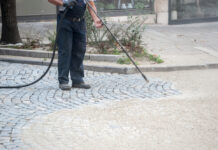
Regular maintenance keeps your walkway looking its best. Sweeping away debris and rinsing occasionally with water prevents buildup that can stain surfaces. Sealing pavers or natural stone can protect against moisture, fading, and staining, especially in areas exposed to harsh weather. Inspecting the walkway periodically for loose stones or uneven sections allows for prompt repairs before issues worsen. With proper care, a well-installed walkway can maintain its beauty and functionality for decades.
Bringing Your Vision to Life
Creating a stunning walkway with pavers and natural stone is about balancing creativity with practicality. From selecting materials and patterns to ensuring proper installation and maintenance, every step plays a role in the final result. Whether you prefer the structured look of uniform pavers or the natural elegance of stone, a thoughtfully designed walkway enhances curb appeal and adds lasting value to your property. With careful planning and attention to detail, you can transform a simple path into a captivating feature that welcomes guests and elevates your outdoor living space.