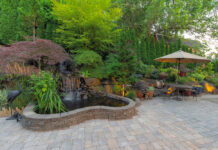
Flat yards can offer great open space, but they often lack the visual appeal and dynamic layout found in multi-level landscapes. Retaining walls are a creative and functional way to transform a flat yard into a more engaging outdoor space. By adding depth, structure, and dimension, retaining walls can completely change the look and feel of your property.
Create Terraced Garden Beds
One of the most popular uses of retaining walls is to build tiered garden beds. These elevated planting areas add texture and variety to your yard while making gardening more accessible. They also allow for better drainage and soil control, which helps plants thrive.
Define Outdoor Living Spaces
Retaining walls can help you carve out specific zones in your yard, such as seating areas, fire pit lounges, or outdoor dining spaces. By raising or lowering these areas slightly, you add a sense of separation and purpose without needing fences or partitions.
Add Visual Interest
A flat lawn can sometimes feel dull or unfinished. Introducing retaining walls at different heights breaks up the monotony and gives your yard a more dynamic, sculpted look. Using stone, brick, or decorative blocks adds texture and contrast for extra visual impact.
Control Drainage and Erosion
Even in flat yards, water runoff can cause erosion or pooling. Strategically placed retaining walls can help redirect water flow and prevent long-term damage, all while enhancing your landscape design.
Retaining walls are more than just functional—they’re a design tool that brings life and structure to flat, uninspired yards. Whether you’re creating garden tiers, defining outdoor zones, or improving drainage, these features offer both form and function. With the right materials and layout, retaining walls can elevate your landscape from plain to polished, giving your outdoor space the depth and character it deserves.